
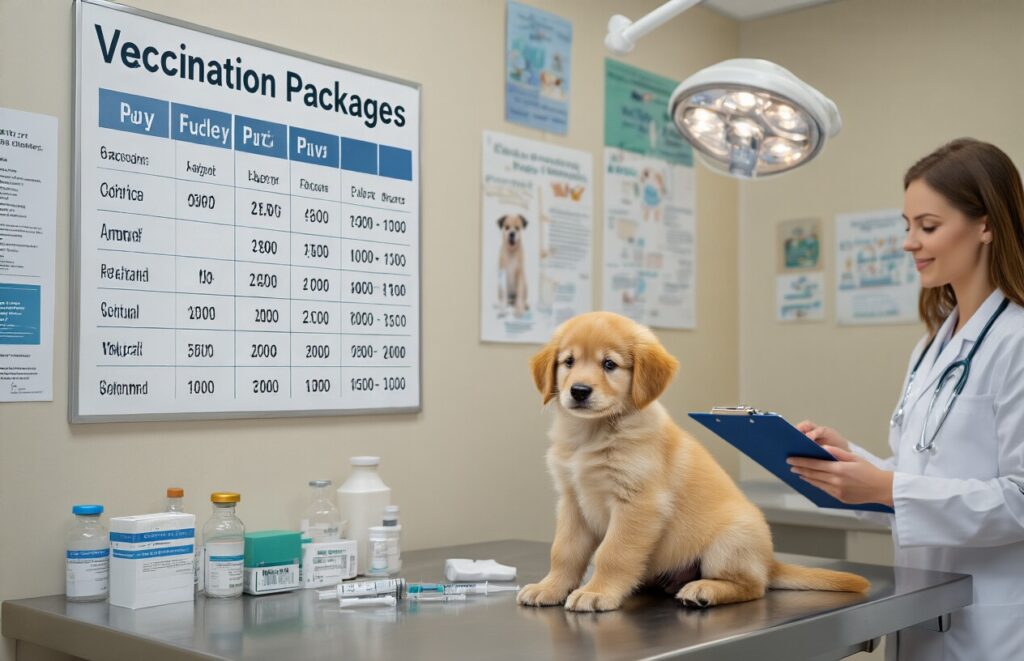

Pet insurance for dogs isn’t some fancy add-on anymore. It’s quickly becoming a practical, almost common-sense choice for dog owners who’ve stared at a vet bill and thought, “How did it get this high?” If you’ve ever felt that sinking feeling at the clinic counter, you already know the problem. This guide breaks everything down—plainly, honestly, and without the fluff—so you can decide what truly makes sense for you and your dog.
Understanding Pet Insurance for Dogs
What Is Pet Insurance?
At its core, pet insurance for dogs is a safety net. You pay a monthly or yearly premium, and when your dog gets sick or injured, the insurer reimburses part of the vet bill. Simple idea. Big impact. Think of it like human health insurance, just tailored for wagging tails and muddy paws.
Why Dog Owners Are Choosing Insurance More Than Ever
Veterinary medicine has evolved fast—almost too fast for our wallets. Advanced diagnostics, specialty surgeries, and long-term treatments are incredible, but they’re not cheap. Insurance helps soften the blow, turning a financial crisis into a manageable expense instead of a panic-inducing one.
How Pet Insurance Works in Plain English
You take your dog to the vet.
You pay the bill.
You submit a claim.
You get reimbursed.
No confusing provider networks. No begging for pre-approval. It’s refreshingly straightforward.
Types of Dog Insurance Coverage
Accident-Only Coverage
This is the bare minimum. It covers sudden mishaps—broken bones, bite wounds, swallowed socks. It’s affordable and narrow in scope, ideal if you mainly worry about emergencies.
Accident and Illness Coverage
The most popular choice, and for good reason. It covers accidents and common illnesses like infections, allergies, cancer, and chronic conditions. For many owners, this hits the sweet spot between cost and protection.
Comprehensive (Wellness + Illness) Plans
These plans don’t stop at emergencies.
Routine Care and Preventive Benefits
Vaccinations, annual checkups, flea and tick prevention, dental cleanings—often included. It’s like putting your dog on a regular maintenance schedule, not just fixing things when they break.
What Does Dog Insurance Typically Cover?

Veterinary Visits and Hospitalization
From a quick exam to overnight monitoring, insurance can significantly reduce out-of-pocket costs.
Surgeries and Emergency Care
Emergency surgery can cost more than a used car. Insurance doesn’t just help—it can completely change what’s financially possible.
Prescription Medications
Chronic conditions mean ongoing medication. Over time, those monthly prescriptions add up. Coverage helps keep long-term care affordable.
Diagnostic Tests and Imaging
X-rays. Blood panels. Ultrasounds. MRIs. These tests are essential—and expensive. Insurance often covers them, which is a massive relief during stressful diagnoses.
What Is Not Covered by Dog Insurance?
Pre-Existing Conditions
If your dog had it before the policy started, it’s usually excluded. This is why earlier enrollment almost always works in your favor.
Cosmetic and Elective Procedures
Procedures done purely for appearance—like ear cropping or tail docking—aren’t covered.
Breeding and Pregnancy Costs
Most standard policies exclude breeding-related expenses unless you buy specialized coverage.
How Much Does Pet Insurance for Dogs Cost?
Average Monthly Premiums
Most dog owners pay somewhere between $30 and $70 per month. Coverage level, location, and dog breed all influence that number.
Factors That Affect Pricing
Breed size. Age. Location. Medical history. Bigger dogs and older dogs generally cost more to insure—it’s just how risk works.
Deductibles, Reimbursements, and Limits
You usually choose:
- An annual deductible
- A reimbursement rate (typically 70%–90%)
- Annual or lifetime coverage limits
Higher coverage means higher premiums, yes—but also fewer sleepless nights later.
Is Pet Insurance Worth It for Dogs?
Pros of Dog Insurance
- Peace of mind
- Financial protection
- Freedom to choose treatment based on care, not cost
Cons and Limitations
- Monthly expense
- Pre-existing conditions excluded
- Reimbursement model (you pay first)
Real-Life Cost-Saving Scenarios
A torn ACL surgery can easily exceed $4,000. With insurance, you might only pay $800. That difference isn’t small—it’s game-changing.
Choosing the Best Pet Insurance for Your Dog
Comparing Providers
Don’t focus only on price. Compare coverage details, exclusions, claim turnaround times, and customer reviews.
Reading the Fine Print
Waiting periods, exclusions, payout caps—this is where misunderstandings happen. Read carefully.
Customizing a Plan for Your Dog
High-energy dog? Prioritize accident coverage.
Senior dog? Focus on illness and chronic care.
Your dog’s lifestyle should shape the policy.
Best Time to Get Pet Insurance for Dogs
Puppies vs Adult Dogs
Puppies are cheaper to insure and usually have no pre-existing conditions. Starting early locks in better value.
Senior Dogs and Insurance Options
Coverage still exists for older dogs, but premiums rise and exclusions increase. Options narrow—but they don’t disappear.
How to File a Pet Insurance Claim
Step-by-Step Claim Process
- Visit the vet
- Pay the bill
- Submit invoices and records
- Receive reimbursement
Common Mistakes to Avoid
- Missing submission deadlines
- Uploading incomplete paperwork
- Assuming coverage without verifying
Tips to Save Money on Dog Insurance
Multi-Pet Discounts
Insuring more than one pet often unlocks discounts.
Annual Payments vs Monthly
Paying annually can reduce service fees and overall cost.
Choosing the Right Coverage Level
More coverage isn’t always better. Match the plan to your dog’s real risks.
Pet Insurance vs Self-Funding Vet Care
Emergency Fund Comparison
Emergency savings help—until one major surgery drains it completely.
Which Option Wins Long-Term?
Insurance spreads risk across time. Self-funding concentrates it all on you. Most owners prefer predictability over gambling.
Common Myths About Dog Insurance
“It’s Too Expensive”
One emergency visit can cost more than a full year of premiums.
“My Dog Is Healthy—I Don’t Need It”
That’s exactly when insurance makes the most sense. Accidents don’t ask for permission.
Final Thoughts on Pet Insurance for Dogs
Making a Smart Decision for Your Dog
Pet insurance for dogs isn’t about fear. It’s about readiness. It gives you the freedom to say yes to treatment without hesitation. If your dog is family—and let’s be honest, they are—protecting their health is simply part of the deal.
FAQs
1. Can I visit any vet with dog insurance?
Yes. Most plans let you use any licensed veterinarian.
2. Does pet insurance cover dental care?
Dental illnesses are often covered; routine cleanings usually require wellness add-ons.
3. How fast does coverage begin?
Waiting periods typically range from 7–14 days.
4. Can older dogs still be insured?
Yes, though premiums are higher and options more limited.
5. Is pet insurance tax deductible?
Usually no, unless the dog is a service or working animal.